
The matter at hand
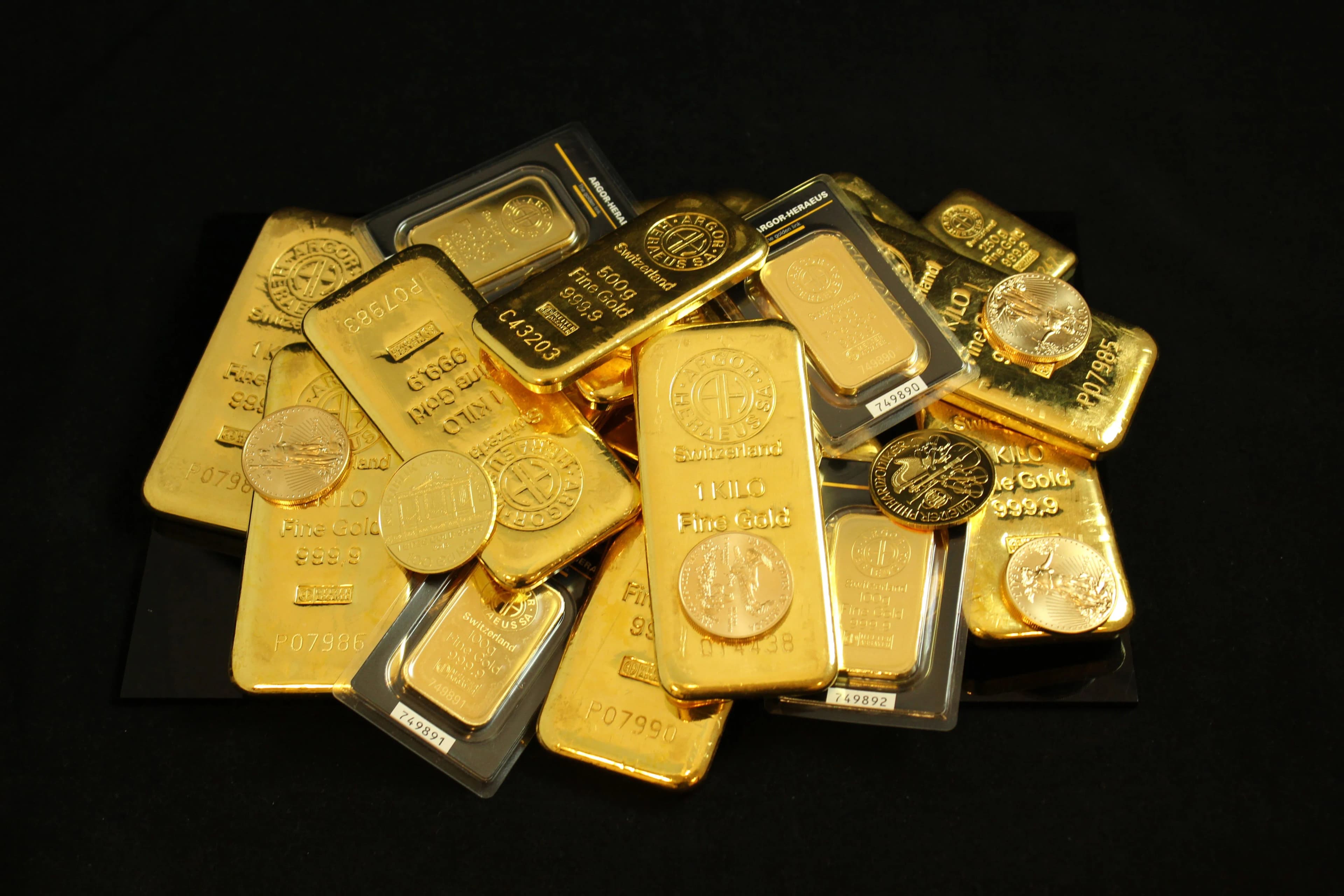
In mid-2026, the Bank of Tanzania (BOT) announced that it had accumulated approximately 28 tonnes of gold over the previous 18 months. At prevailing market prices, those holdings were worth roughly US$3.7–3.8 billion.
The accumulation has reshaped Tanzania's reserve portfolio. By April 2026, gold had overtaken foreign securities to become the country's largest reserve asset, accounting for more than 60 percent of foreign-exchange reserves, which stood at about US$6 billion.
This did not happen because Tanzania entered the international market and bought large quantities of gold overnight. The increase came from a domestic purchasing programme introduced in 2023 and expanded through 2024. A key part of that strategy requires large-scale miners and licensed gold traders to reserve at least 20 percent of their production for sale within Tanzania.
Rather than relying solely on foreign currency reserves, the country has steadily converted part of its own mineral wealth into a strategic national asset.
Gold standard versus fiat: understanding the difference
For much of modern history, many national currencies were backed by gold.
Under the classical gold standard, paper money could be exchanged for a fixed quantity of gold. Because every note represented a claim on physical bullion, governments could not expand the money supply without increasing their gold reserves. That arrangement gave people confidence that their currency had tangible backing while limiting excessive money creation.
The system gradually disappeared during the twentieth century. Many countries suspended gold convertibility during and after the First World War, and the final break came in 1971, when the United States ended the dollar's convertibility into gold.
Since then, nearly every country—including Tanzania—has operated under a fiat monetary system. The Tanzanian shilling has value because it is recognized as legal tender and accepted throughout the economy, not because it can be exchanged for a fixed amount of gold.
Gold, however, has never disappeared from central banking.
Central banks continue to hold bullion because it diversifies reserves, preserves value over long periods, and remains an asset that no government can create by printing more of it. Tanzania's recent purchases do not signal a return to the gold standard. Instead, they reflect a strategy adopted by many modern central banks: holding gold alongside foreign currencies as part of a broader reserve portfolio.
Tanzania itself maintained modest gold reserves during the early 1990's before discontinuing systematic purchases around 2002. The current program marks the first sustained accumulation in more than two decades.
The numbers behind the strategy
The pace of accumulation has been notable.
The program began with relatively small purchases between 2023 and early 2025. By late 2025 and early 2026, reserves had reached about 15 tonnes. In June 2026, official figures showed holdings of 27.5 tonnes, and shortly afterward BOT confirmed that the total had reached approximately 28 tonnes.
The growth coincided with a period in which the Tanzanian shilling appreciated by roughly 6.5 percent against the US dollar in some reporting periods. Gold inflows were one contributing factor, alongside strong export earnings.
The regional comparison is equally revealing.
Within East Africa, Kenya holds only a negligible quantity of official gold reserves around 0.02 tonnes. Uganda and several other East African Community members have only recently begun exploring domestic gold-purchase programs. By comparison, Tanzania has moved much further and much faster.
Across Africa, Ghana remains the leading example. Its Domestic Gold Purchase Program has built reserves exceeding 30 tonnes while experimenting with higher local set aside requirements and establishing specialized institutions to manage gold purchases.
Beyond Africa, countries such as the Philippines and Ecuador have shown how consistent buying at competitive prices can encourage miners to sell through formal channels instead of informal markets.
Tanzania's progress has been rapid. The next challenge is ensuring that pricing, payments, and market transparency evolve as quickly as reserve accumulation has.
Why 28 tonnes matters
Holding more than half of the country's foreign reserves in physical gold changes the composition of BOT's balance sheet.
Unlike foreign currency deposits or government securities, gold is not another country's financial obligation. It exists independently of the policies of foreign governments and financial institutions. That characteristic has become increasingly valuable as geopolitical tensions and financial sanctions have become more common around the world.
A larger gold reserve also strengthens the central bank's ability to respond when pressure builds in the foreign exchange market.
No reserve can permanently guarantee a strong currency. Exchange rates still respond to inflation, trade balances, investment flows, and global economic conditions. Larger reserves, however, provide policymakers with more options when volatility increases and improve confidence that the country can meet external obligations.
There is another benefit that receives less attention.
Every kilogram purchased from domestic producers remains within Tanzania's financial system instead of immediately leaving the country as an exported commodity. In that sense, the program converts part of the nation's natural resources into a long term financial buffer.
The 20 percent local-sale rule and its impact on miners
Current mining regulations require mineral-rights holders and licensed gold traders to reserve at least 20 percent of their gold production for domestic sale, with the Bank of Tanzania acting as a priority buyer.
To encourage participation, the Bank offers several incentives.
Gold is purchased at prices linked to international markets. Sellers pay a reduced royalty of 4 percent instead of the standard 6 percent, inspection fees have been removed, refining costs are covered, and payment is made within 24 hours after the assay report is completed.
These incentives have already encouraged greater participation in the formal financial system. More than 4,000 small-scale miners and mineral traders have opened bank accounts through the programme.
For miners who can meet documentation and quality requirements, the official channel provides predictable pricing, faster payments, and lower transaction costs. Maintaining proper business records also makes it easier to qualify for bank financing in the future.
The programme, however, will only remain attractive if it continues to operate efficiently.
Payments must remain reliable. Prices must stay close to international market levels. If the gap between official and informal markets widens, gold will naturally flow elsewhere.
There is also room to strengthen support for artisanal miners through simpler licensing procedures, expanded technical assistance, and wider adoption of mercury free processing methods. Ghana's experience suggests that dedicated institutions and consistent market participation can improve both reserve accumulation and industry formalization. Tanzania can draw lessons from that experience while adapting them to local conditions.
What this means for the shilling and for ordinary Tanzanians
A stronger gold reserve provides greater support for the Tanzanian shilling, but it should not be mistaken for a cure all.
Higher reserves cannot prevent global oil prices from rising or shield the country from increases in the cost of imported food, medicine, or fertilizer. Those pressures will continue whenever international markets become more expensive.
What stronger reserves can do is reduce the risk of a sharp currency depreciation that would make imported goods even more costly.
For most Tanzanians, the practical implications are straightforward.
A more stable currency reduces the pressure to hold foreign currency simply as protection against exchange-rate swings. Keeping savings within the formal banking system becomes more attractive as confidence in regulated financial institutions grows. For people living in gold producing regions, the official purchasing programme now offers an established route for selling production while contributing to national reserves.
Long term financial security, however, still depends on productivity, disciplined saving, and investment.
Households should continue paying attention to inflation as well as exchange rates. Even when the shilling remains relatively stable, global economic shocks can increase living costs. Careful budgeting and avoiding unnecessary foreign currency debt remain sensible financial decisions.
Tanzania has transformed part of its own mineral wealth into a stronger external financial buffer within a relatively short period. That achievement now needs to be supported by transparent purchasing, competitive pricing, and policies that work for both miners and the wider economy.
The success of the programme will not be measured only by the number of tonnes held in the central bank's vaults. It will also depend on whether those reserves contribute to a more resilient financial system and deliver lasting confidence in the Tanzanian economy.